
It is surprisingly common for people to ignore a single missing tooth. If it is not painful and not easy to see, it often feels harmless. But even one missing tooth can quietly affect the health of your entire mouth over time.
At Manduzzi Family Dentistry, we believe dental care shouldn’t feel clinical or cold. Operating out of our historic home in downtown Utica, we blend old-world comfort with modern surgical precision.
However, we often see patients who are surprised to learn how much impact a single missing tooth can have on their health. Understanding what happens below the surface can help you make informed decisions before small problems turn into bigger ones.
What happens if you don’t replace a missing tooth?
Your teeth work as a system. Each one supports the others, and when one is lost, that balance is disrupted. When a tooth is missing, several issues can develop:
- The surrounding teeth no longer have proper support
- The jawbone beneath the missing tooth begins to change
- Your bite can slowly shift
- Chewing efficiency decreases
These changes usually happen gradually, which is why they are easy to overlook at first.
How a Missing Tooth Affects the Teeth Around It
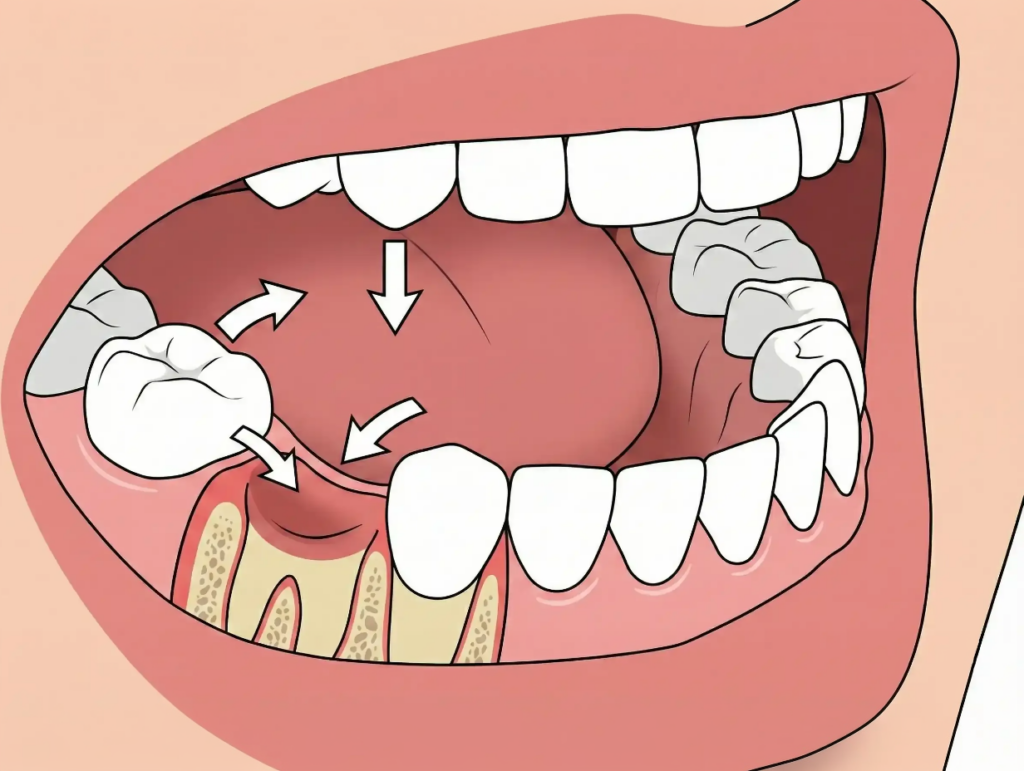
When there is an open space in your smile, nearby teeth tend to drift toward it. This can lead to:
- Teeth shifting or tilting
- Changes in how your teeth come together when you bite
- Increased wear on certain teeth
- Areas that are harder to clean properly
As teeth move, plaque and bacteria are more likely to collect in tight or awkward spaces. This increases the risk of cavities and gum disease, even for people who brush regularly.
Routine teeth cleanings play an important role in keeping these areas healthy, but cleanings alone cannot stop structural changes caused by missing teeth.
Bone Loss Starts Sooner Than Most People Realize
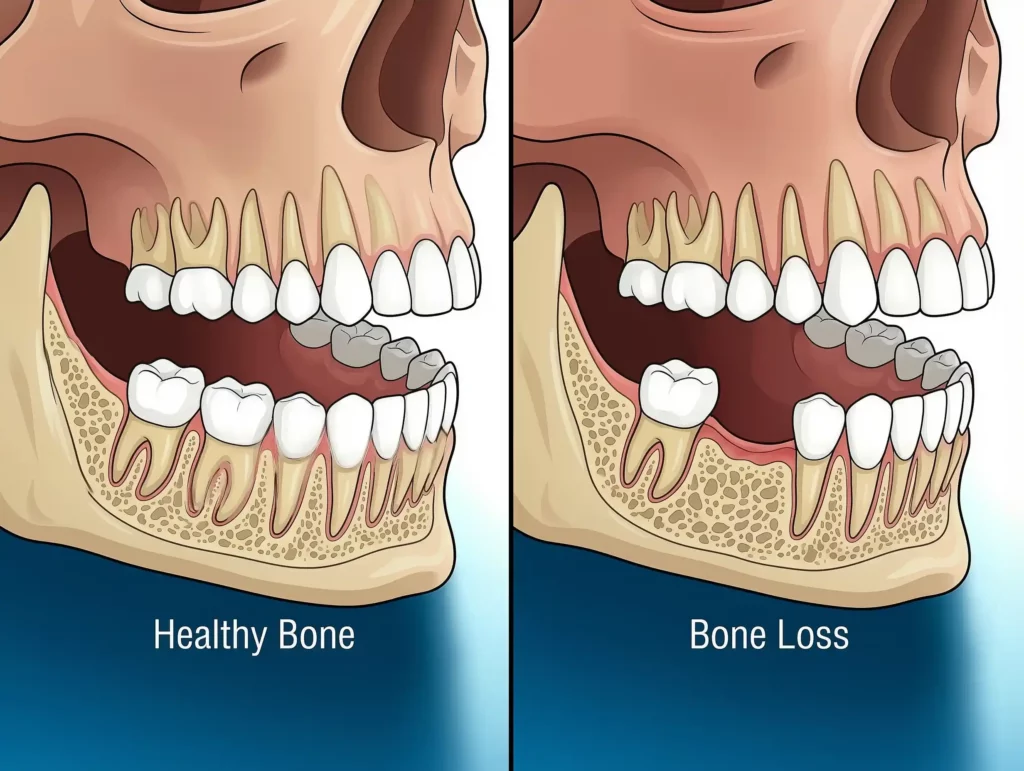
The roots of your teeth stimulate the jawbone when you chew. This stimulation helps keep the bone strong and healthy. When a tooth is missing, that stimulation stops.
Over time, the bone in that area begins to shrink. This process is known as bone resorption, and it often happens without pain or visible symptoms in the early stages.
This is why dental implants are unique. They are the only tooth replacement option that replaces the root of the tooth and helps preserve the jawbone.
Note: According to the American Academy of Implant Dentistry (opens in new tab), bone loss can begin within the first year after a tooth is lost if it is not replaced.
Pro Tip: You don’t have to guess about your bone health. We use modern imaging to check your jaw density and see if you are a candidate for implants.
Missing A Tooth & Have Questions? Contact Us.Changes to Your Bite and Jaw
A missing tooth can also affect how your bite functions. When your bite becomes uneven:
- Some teeth absorb more pressure than they were designed to handle
- Jaw muscles may work harder to compensate
- Jaw soreness, headaches, or TMJ-related symptoms can develop
Over time, these bite changes can place added stress on the jaw joints and surrounding muscles. If left unaddressed, this can contribute to chronic discomfort or functional issues that may require TMJ treatment.
The Impact on Appearance and Confidence
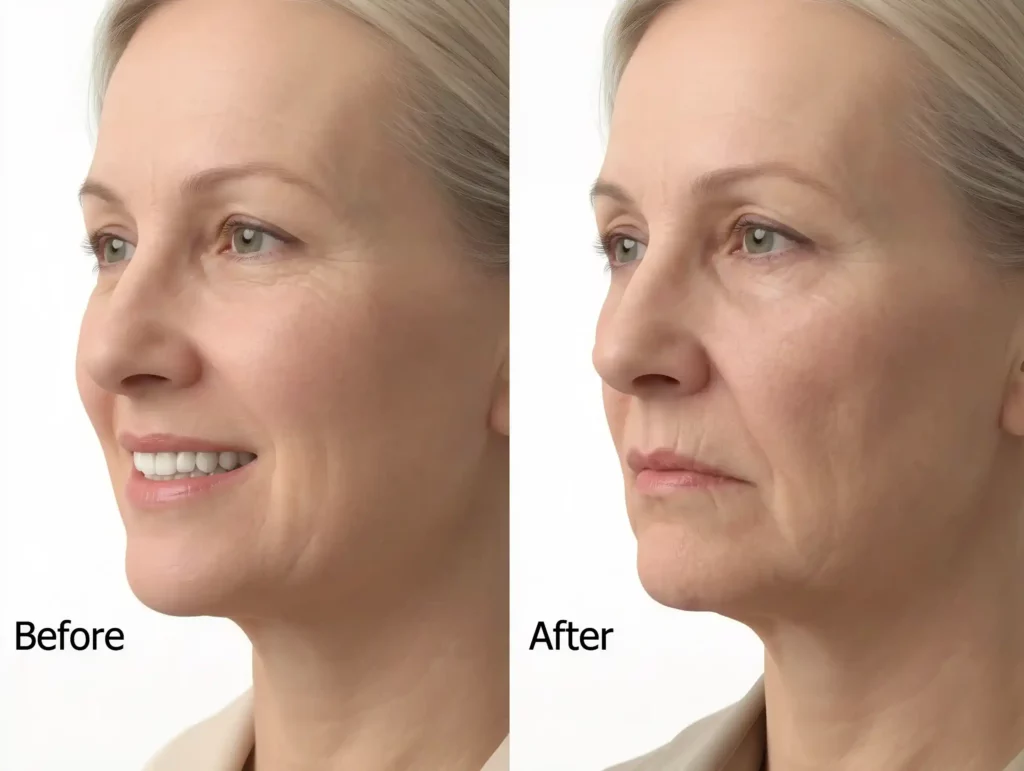
Beyond function, missing teeth can affect how you feel about your smile. Bone loss in the jaw can subtly change facial structure, especially when missing teeth are not replaced for long periods.
Patients may also notice:
- Smiling less often
- Feeling self-conscious when speaking or laughing
- Changes in speech clarity, particularly with front teeth
These concerns are common and completely valid. Oral health and confidence are closely connected.
Options for Replacing a Missing Tooth
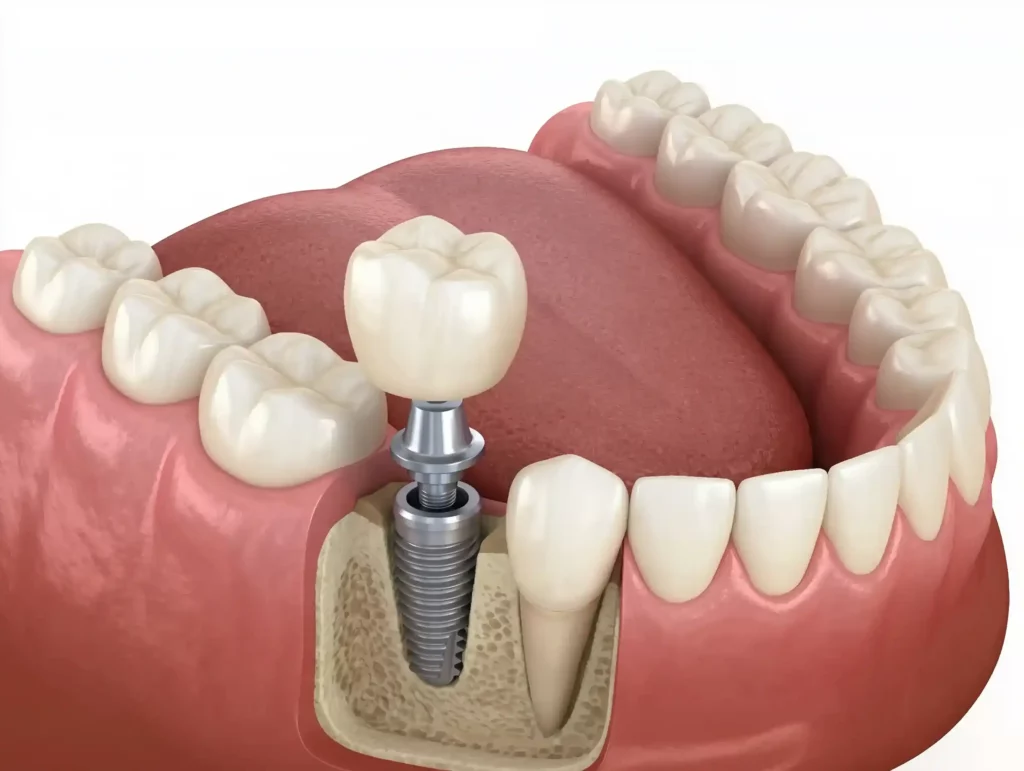
There is no single solution that works for everyone. As a Fellow of the International Congress of Oral Implantologists (ICOI), Dr. Manduzzi approaches every case with a deep understanding of bone biology and long-term stability.
Common options we discuss include:
- Dental Implants: The gold standard for replacement. These function exactly like natural teeth, stimulating the jawbone to prevent shrinkage.
- Mini Implants: A fantastic option for patients who may not have enough bone for traditional implants or who want a less invasive, lower-cost solution to stabilize dentures.
- Dental Bridges: A reliable way to “bridge” a gap using neighboring teeth for support.
- Dentures: Modern partials can effectively replace one or more missing teeth, restoring your ability to chew comfortably.
During your consultation, we use 3D imaging (CBCT) to see exactly how much bone you have available, allowing us to recommend the safest, most predictable path forward.
Why Early Replacement Matters
Replacing a missing tooth sooner rather than later often leads to:
- Less bone loss
- Fewer treatment steps
- More replacement options
- Lower long-term costs
Delaying treatment does not mean replacement is impossible, but early intervention usually makes the process simpler and more predictable.
What If the Tooth Was Lost Years Ago?
Many patients worry that they waited too long. Fortunately, modern dentistry offers solutions even for long-standing tooth loss.
With advanced diagnostics like CBCT scans and techniques such as bone grafting, it is often possible to rebuild a strong foundation before replacing missing teeth. In more complex cases, a full mouth rehabilitation plan may be recommended to restore comfort, function, and appearance.
One Tooth Can Make a Big Difference
A single missing tooth may not seem urgent, but its effects can ripple through your entire mouth over time. Addressing tooth loss early helps protect your bite, jawbone, and overall oral health.
We know that for many, the idea of dental work causes anxiety. That is why we have designed our practice to feel more like a home and less like a clinic. Whether you are interested in a single implant or need to stabilize a loose denture with mini-implants, we prioritize your comfort at every step.
If you are in Utica, Shelby Township, Sterling Heights, Rochester Hills, or nearby areas, we invite you to step into our historic office for a judgment-free evaluation. Let’s protect your smile for years to come.
Contact Us To Schedule An Appointment!