

Tooth loss can be life-changing, and many patients turn to dental implants as the best solution for restoring their smile. But if you’ve been diagnosed with gum disease, you may be wondering if that puts implants out of reach. The truth is, gum disease doesn’t automatically disqualify you — but it must be treated and under control before implants can succeed.
At Manduzzi Family Dentistry, we work with patients across Utica, Shelby Township, Sterling Heights, Rochester Hills, and surrounding areas to manage gum disease and restore their smiles with advanced implant care.
What Is Gum Disease?
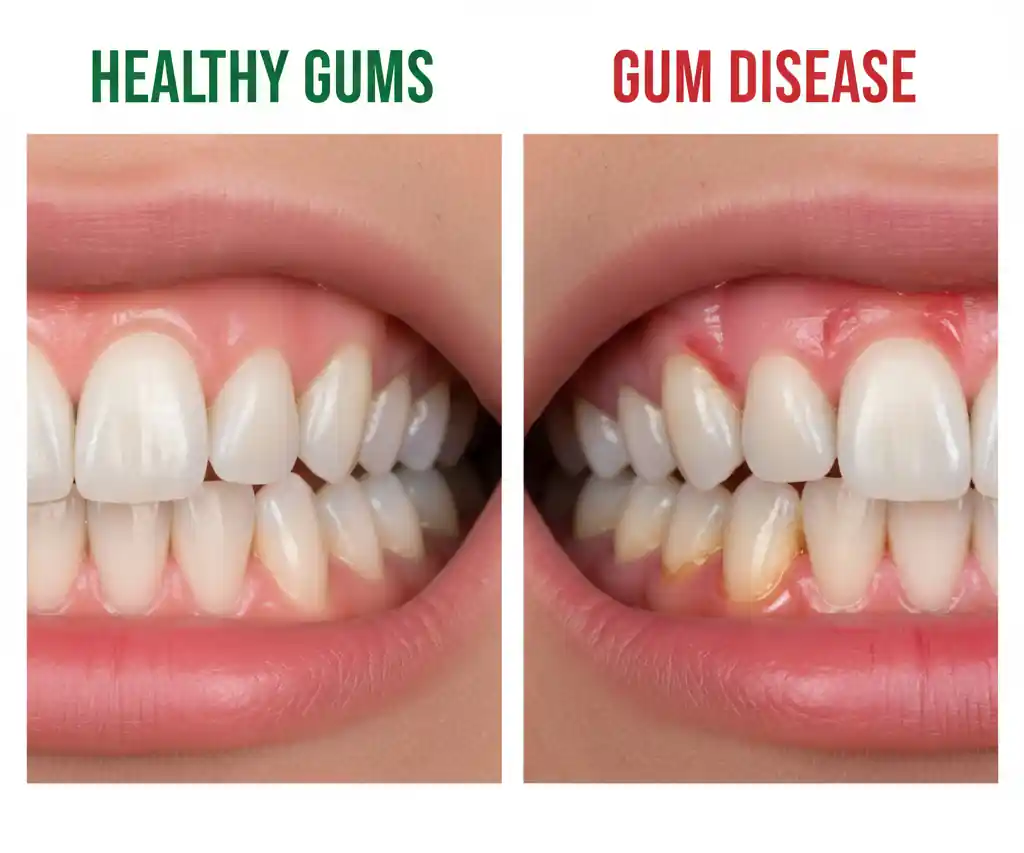
Gum disease, or periodontal disease, is an infection of the gums and supporting bone around your teeth. It begins as gingivitis — red, swollen gums that bleed easily — but can progress to periodontitis if left untreated.
Signs of gum disease include:
- Bleeding gums when brushing or flossing
- Chronic bad breath
- Gum recession (teeth appearing longer)
- Loose or shifting teeth
- Bone loss visible on dental X-rays
Why this matters for implants: both your gums and jawbone act as the foundation for implant stability. If either is compromised, the chances of long-term implant success decrease.
Learn how preventive care like professional teeth cleanings (and future deep cleanings) help stop gum disease before it progresses.

Can You Get Dental Implants With Gum Disease?
In short: not while gum disease is active. Attempting implants without first treating gum disease puts you at higher risk of infection, bone loss, and implant failure.
However, with proper periodontal treatment, most patients can become good candidates for implants. Once your gums are healthy and stable, implants can integrate securely into the bone and provide lasting results.
How Gum Disease Affects Dental Implants
If gum disease isn’t addressed before implant placement, it can lead to complications such as:
- Peri-implantitis: inflammation and infection around the implant site, similar to gum disease.
- Bone Loss: reduced jawbone density prevents the implant from anchoring properly.
- Loosening or Failure: implants may not fully integrate, leading to instability.
This is why our team prioritizes gum health as the foundation for implant success.
Treatment Before Dental Implants
The first step toward implants for gum disease patients is treatment to get the condition under control:
- Professional Cleanings or Deep Cleaning: Scaling and root planing remove plaque and bacteria from below the gumline.
- Ongoing Maintenance: Consistent oral hygiene and follow-up visits keep bacteria at bay.
- Bone Grafting (if needed): If gum disease has caused significant bone loss, grafting may be recommended to rebuild the jawbone.
For advanced cases, a Full Mouth Rehabilitation plan may be necessary to restore oral health before implants are placed. Our team may also coordinate with specialists if surgical procedures are required.
Am I a Candidate for Implants After Gum Disease?
Yes — many patients who have had gum disease can still receive implants once the infection is treated and managed. Factors that affect candidacy include:
- Sufficient jawbone density (sometimes enhanced with grafting)
- Stable gum health
- Good overall health and healing ability
- Commitment to daily brushing, flossing, and routine dental visits
Maintaining a strict schedule of dental checkups and cleanings is critical to keeping your implants and gums healthy long term.
Dental Implants vs. Alternatives for Gum Disease Patients
If implants aren’t possible right away, other options may help restore your smile while you work toward candidacy:
- Dentures: a removable solution for multiple missing teeth.
- Crowns & Bridges: fixed restorations that replace one or more missing teeth.
While these options restore function, many patients ultimately transition to implants for their durability and natural look once their gum health is restored.
Don’t Let Gum Disease Stop You From Getting Implants
Gum disease may be a hurdle, but it doesn’t have to end your chances of restoring your smile with dental implants. With early treatment and proper maintenance, most patients go on to enjoy the stability, function, and beauty that implants provide.
If you’re experiencing gum issues or missing teeth in Utica, Shelby Township, Sterling Heights, or Rochester Hills, we can help.
Contact Us To For An Implant Consultation Today!